
Why Is My AC Blowing Warm Air?
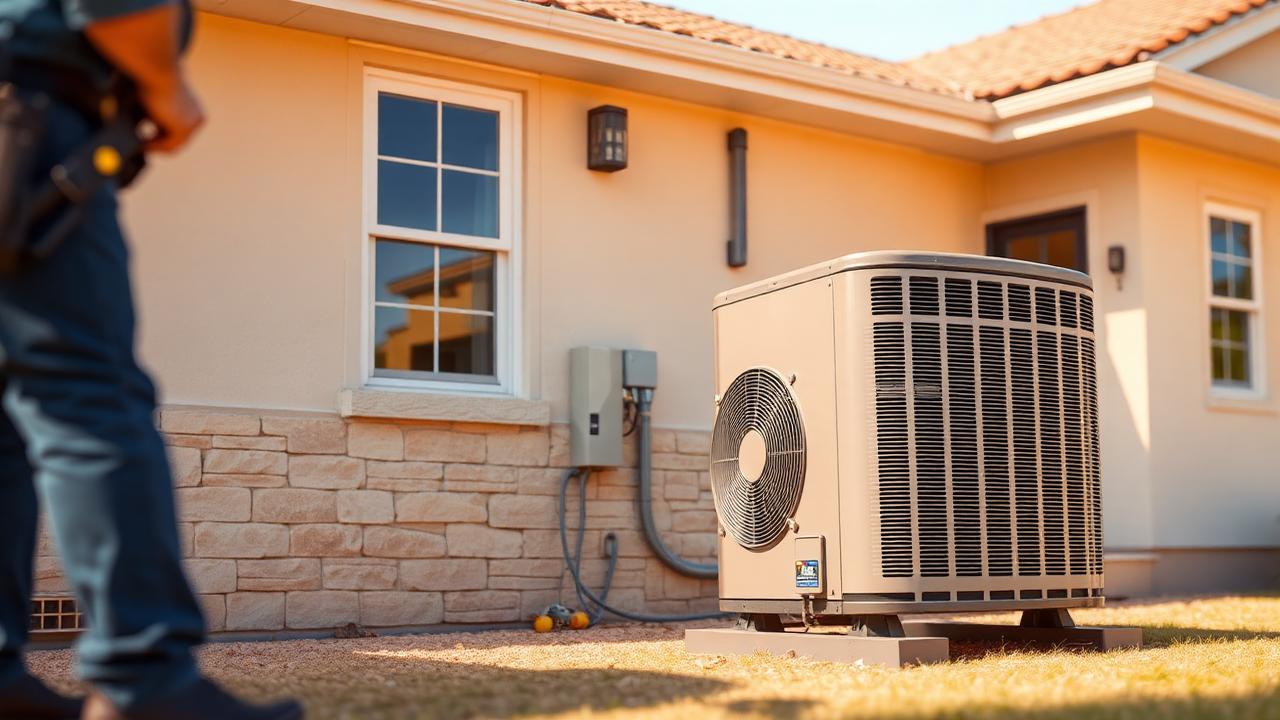
If your air conditioner is running but blowing warm air, several issues could be causing the problem. Below are the most common causes, what you can safely check yourself, and when it's time to call a professional HVAC technician.
How Your AC Is Supposed to Cool Your Home
To understand why warm air happens, it helps to know how central air conditioning actually works. Your system doesn't "make" cold air — it removes heat from the air inside your home and moves it outside. Warm indoor air is pulled across the cold evaporator coil, where refrigerant absorbs the heat. That heat travels through the refrigerant lines to the outdoor condenser unit, where it's released into the outside air. The now-cooled air is pushed back through your ductwork and out your vents.
When any link in that chain breaks down — airflow, refrigerant, the coil, the compressor, or the electrical components that run them — the heat-removal process stalls and the air coming from your vents feels warm or barely cool. That's why "warm air" is a symptom with many possible causes rather than a single problem, and it's why a careful diagnosis matters.
Common Reasons Your AC Is Blowing Warm Air
When your air conditioner is running but the air feels warm, the cause usually falls into one of a handful of categories. Here's what's most likely going on.
Thermostat Set Incorrectly
It sounds simple, but a thermostat set to "heat" or "fan only" instead of "cool" is one of the most common reasons an AC blows warm air. Make sure it's set to cool and the temperature is below the current room temperature.
Dirty Air Filter
A clogged air filter restricts airflow over the system, which reduces cooling and can cause the unit to freeze up. A dirty filter is one of the easiest issues to fix and one of the most overlooked.
Frozen Evaporator Coil
When airflow is restricted or refrigerant is low, the indoor evaporator coil can freeze over with ice. A frozen coil can't absorb heat, so the air coming out feels warm. You may also notice ice on the unit or refrigerant lines.
Low Refrigerant
Refrigerant is what actually removes heat from your home's air. If levels are low — usually from a leak — your system can't cool properly and will blow warm air. Refrigerant should only be handled by a licensed technician.
Dirty Outdoor Condenser Unit
The outdoor unit releases the heat pulled from your home. When it's caked with dirt, grass, or debris, it can't shed that heat efficiently, leaving your home warm. Keeping the area around it clear helps it run properly.
Electrical Problems
Faulty wiring, failing capacitors, or other electrical issues can keep key components from running. This often shows up as a fan that runs while the cooling components stay off. Electrical repairs should be left to a professional.
Compressor Failure
The compressor is the heart of your AC system. If it fails, the system can't circulate refrigerant and won't cool at all. Compressor issues are serious and require a professional diagnosis.
Tripped Circuit Breaker
Many systems have separate breakers for the indoor and outdoor units. If the outdoor unit's breaker trips, the fan inside may keep running and push warm air through your vents while the outdoor unit sits idle.
What You Can Check Before Calling
A few quick checks can sometimes get your air conditioner cooling again — or at least help you understand the problem before a technician arrives.
- Verify your thermostat is set to "cool" and below room temperature
- Replace or inspect the air filter
- Check the breaker for the indoor and outdoor units
- Make sure the outdoor unit is running
- Ensure all supply vents are open and unblocked
Important: Never attempt refrigerant or electrical repairs yourself. These require special tools, training, and licensing — and doing them incorrectly can be dangerous and costly. Leave them to a professional.
When Should You Call an HVAC Professional?
If your air conditioner is still not cooling after the basics, it's time to bring in an experienced technician. Call Innovative Air if:
- The AC continues blowing warm air after basic checks
- Ice is forming on the system or refrigerant lines
- The breaker keeps tripping
- The system makes unusual noises
- You suspect a refrigerant leak
- Cooling performance continues to decline
Our team handles AC repair throughout Fort Worth and DFW. Keeping up with regular AC tune-ups and HVAC maintenance can also prevent many of these issues. If your system is aging or failing repeatedly, ask us about system replacement.
How the Fort Worth Climate Makes Warm-Air Problems Worse
North Texas summers are brutal on air conditioners. When outdoor temperatures climb past 100 degrees, your system may run almost non-stop for weeks at a time. That constant demand magnifies small problems: a slightly low refrigerant charge that went unnoticed in spring can leave you with warm air in July, and a capacitor or compressor that was "getting by" often fails during the first prolonged heat wave.
Fort Worth's mix of heat, humidity, and dust also accelerates coil buildup and drain issues, both of which reduce cooling performance. Because our systems work so hard for so much of the year, DFW homeowners tend to see warm-air complaints earlier and more often than people in milder climates — which is exactly why proactive maintenance pays off here. If your home never seems to keep up, it may also be a sign your system is undersized or nearing the end of its life. Our team handles both residential HVAC and commercial HVAC systems built for the Texas climate.
How to Prevent Your AC From Blowing Warm Air
Most warm-air emergencies are preventable. A little routine care keeps airflow strong, refrigerant where it should be, and the small electrical parts from failing when you need them most. Build these habits into your year:
- Change your air filter every 30–90 days during cooling season
- Keep the outdoor condenser clear of grass, leaves, and debris
- Rinse the outdoor coil gently with a garden hose a few times a season
- Schedule a professional tune-up before summer each year
- Have refrigerant levels and electrical connections checked annually
- Watch your energy bills for sudden, unexplained increases
The single most valuable step is a professional tune-up each spring. During a visit, a technician checks refrigerant levels, tests the capacitor and other electrical components, cleans the coils, clears the condensate drain, and confirms your system is ready for the summer ahead. It's far cheaper than an emergency repair on a 105-degree afternoon. Ask us about a maintenance plan through our HVAC maintenance and AC tune-up services.
How Much Does It Cost to Fix an AC Blowing Warm Air?
Because warm air has so many possible causes, repair costs vary widely. Simple fixes — like a new air filter, clearing a tripped breaker, or thawing a frozen coil — may cost little to nothing beyond a service call. Replacing a failed capacitor is one of the most affordable repairs. Refrigerant leak repairs and recharges cost more because they involve locating the leak, sealing it, and replacing lost refrigerant. A failed compressor is the most expensive repair and, on an older system, often makes full replacement the smarter investment.
Rather than guess, we diagnose the actual cause first and give you honest, upfront pricing before any work begins. If your unit is more than 10–15 years old and needs a major repair, we'll walk you through whether repair or system replacement and upgrades makes more financial sense. When the heat won't wait, our emergency HVAC service can get you cooling again fast.
Why Choose Innovative Air?
Fort Worth homeowners and businesses have trusted us for fast, honest HVAC repair since 2000.
- Serving Fort Worth & DFW since 2000
- Honest, upfront pricing
- Experienced HVAC technicians
- Repairs for all major HVAC brands
- Residential and commercial service
- Same-day service when available
We proudly serve homeowners across the metroplex — see all the communities we cover on our service areas page.
Frequently Asked Questions
Need HVAC Service?
Innovative Air provides fast, dependable HVAC service for homeowners and businesses throughout Fort Worth and the surrounding DFW area.
Call (817) 966-2665
Related Articles
LG VRF vs. Traditional Central Air: Which Is Better for North Texas Homes?
A side-by-side comparison of LG VRF systems and traditional central air conditioning for DFW homes — zoning, energy efficiency, comfort, cost, installation, lifespan, and how to decide which system fits your house.
Read More
What Is a VRF System? Everything Fort Worth Property Owners Need to Know
A complete Fort Worth guide to Variable Refrigerant Flow (VRF) systems — how they work, benefits, commercial and residential uses, VRF vs. traditional HVAC, VRF vs. mini-splits, maintenance, and when to call a VRF specialist.
Read More
Air Purifier vs. Humidifier: What's the Difference?
Air purifiers and humidifiers both improve your home's air, but they do very different jobs. Learn how each one works, which helps with allergies, which fixes dry air, and which is best for Texas homes.
Read More