
How to Clean an AC Drain Line
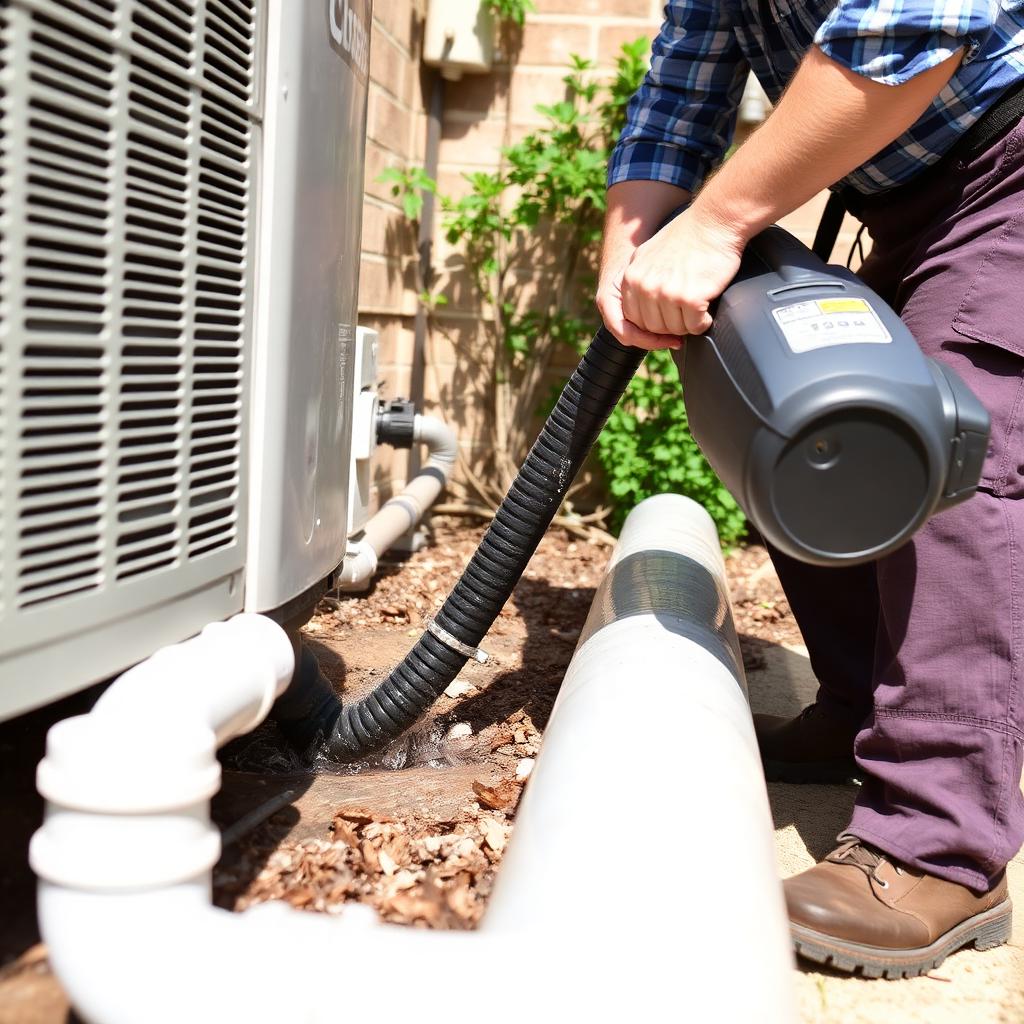
Your AC drain line is easy to forget about — until it clogs and water starts backing up on the hottest week of the year. The good news is that a little routine care goes a long way. Here's a homeowner-friendly guide to what the drain line does, why it clogs, the warning signs to watch for, the safe steps you can check yourself, and when it's time to call a professional HVAC technician.
What Is an AC Drain Line?
As your air conditioner cools your home, it also pulls moisture out of the air. That moisture condenses on the evaporator coil, drips into a drain pan, and flows out of your home through the condensate drain line — usually a white PVC pipe that exits near your outdoor unit. On a humid Fort Worth day, your system can remove gallons of water, so keeping that line clear is important. When it clogs, all that water has nowhere to go.
Where Is My AC Drain Line Located?
Before you can maintain the drain line, it helps to know where to find it. The line begins at the indoor air handler or furnace, connected to the drain pan beneath the evaporator coil. From there it runs to the exterior of your home, where the outdoor end typically exits near the foundation close to the outdoor condenser and drips onto the ground. Near the indoor unit you'll usually find a capped, T-shaped access point — this is where you pour vinegar or attach a vacuum to clear the line.
Primary vs. Secondary Drain Line
Many systems, especially attic installations common in DFW homes, have two lines. The primary line handles condensation during normal operation. The secondary (or emergency) line is a backup that only activates if the primary clogs — it often exits through a pipe near a soffit or eave. If you ever notice water dripping from that upper pipe, treat it as an early warning that the primary line is blocked and needs attention right away.
Why Does an AC Drain Line Get Clogged?
Clogs build up gradually from the constant mix of moisture and airborne debris moving through the system:
Algae and Mold Buildup
The dark, damp inside of a drain line is the perfect place for algae and mold to grow. Over time this slimy buildup blocks the flow of water.
Dirt, Dust, and Debris
Dust pulled through your system settles in the drain line and combines with moisture to form sludge that eventually clogs the pipe.
Texas Humidity and Heavy Use
In the DFW climate your AC runs hard for months, producing plenty of condensation and giving clogs more chances to form.
Skipped Maintenance
Drain lines that are never flushed or inspected are far more likely to clog. Routine tune-ups keep them clear before problems start.
Signs Your AC Drain Line Is Clogged
A clogged drain line usually gives you warning signs before it causes serious damage. Watch for these common symptoms:
Water Around the Indoor Unit
Puddles or damp spots near your indoor air handler or furnace are one of the clearest signs the drain line or drain pan is backing up.
A Full or Overflowing Drain Pan
The pan under your evaporator coil is meant to catch a little condensation, not hold standing water. A full pan means the water has nowhere to go.
Musty or Moldy Smell
Trapped moisture in a clogged line is a breeding ground for mold and mildew, which often shows up as a musty odor from your vents.
AC Shutting Off or Not Cooling
Many systems have a safety float switch that shuts the AC down when the drain backs up, leaving you without cooling until the clog is cleared.
Higher Humidity Indoors
When condensation can't drain properly, your home may feel sticky and humid even while the AC is running.
Water Stains on Ceilings or Walls
If your air handler is in an attic or upstairs closet, a clogged line can leak through and stain ceilings or walls below.
Can You Clean an AC Drain Line With Vinegar?
Yes — and it's one of the best things you can do to prevent clogs in the first place. Pouring about a quarter cup of distilled white vinegar into the drain line's access point once a month helps kill the algae and mold that cause most clogs. Vinegar is gentler on your system than bleach and works well as routine maintenance. Keep in mind, though, that vinegar helps prevent clogs and clear minor buildup — it won't fix a line that's already fully blocked.
Safe Basic Steps Homeowners Can Check
If you're comfortable doing so, here are some simple, low-risk steps you can try for a minor clog:
- Turn off your AC at both the thermostat and the breaker before doing anything.
- Locate the condensate drain line — a white PVC pipe near the outdoor unit or the indoor air handler.
- Check the drain pan under the indoor unit and carefully soak up any standing water.
- Find the access point (a capped T-shaped vent) near the indoor unit and remove the cap.
- Use a wet/dry vacuum at the outdoor end of the line to pull out a minor clog.
- Look for obvious debris at the outdoor drain opening and clear it away by hand.
When not to DIY: Skip the DIY approach if your air handler is in a hard-to-reach attic, if water is already leaking or staining ceilings, if the clog keeps coming back, or if you're unsure what you're looking at. Forcing air or liquid into the wrong spot can damage the coil or pan. When in doubt, call a pro.
What Happens If the Drain Line Stays Clogged?
Ignoring a clogged drain line can turn a small problem into an expensive one. Left unchecked, a clog can:
- Overflow the drain pan and cause water damage to floors, walls, and ceilings
- Encourage mold and mildew growth that affects your indoor air quality
- Raise indoor humidity so your home feels sticky even with the AC running
- Trip the safety float switch and shut your AC off completely
- Lead to bigger repairs if standing water reaches electrical or system components
In North Texas heat, an AC that shuts itself off is more than an inconvenience — it can make your home uncomfortable fast. That's why it pays to address a clog early.
How to Prevent AC Drain Line Clogs
Preventing a clog is far easier than dealing with the water damage one can cause. Because our systems run so much of the year in the DFW climate, building a few simple habits into your routine keeps the condensate flowing freely:
- Flush the line with distilled white vinegar every month during cooling season
- Change your air filter regularly to keep dust out of the system
- Keep the area around the drain pan and access point clean
- Schedule a professional drain line inspection at least once a year
- Consider a float switch or drain pan treatment tablets for extra protection
- Have the coil and pan cleaned during your annual tune-up
The most reliable protection is a yearly professional inspection. During a visit we flush the line, clean the drain pan, check the float switch, and confirm the coil is clear — all part of our AC tune-ups and HVAC maintenance services. Staying ahead of clogs protects your home and helps your whole system run more efficiently.
How Often Should You Clean Your AC Drain Line?
For most Fort Worth homes, a monthly vinegar flush during cooling season is enough to keep algae and mold from taking hold. Because our air conditioners run hard from spring through fall — producing more condensation than systems in cooler regions — we also recommend a professional inspection and flush at least once a year. If you've had clogs before, or your air handler sits in a hard-to-reach attic, more frequent professional attention is a smart investment.
When to Call Innovative Air
If you notice any of the following, it's time to bring in an experienced technician. Call Innovative Air if:
- The clog returns quickly or won't clear with a wet/dry vacuum
- You see standing water, leaks, or water stains near the unit
- Your AC keeps shutting off from the drain safety switch
- There's a persistent musty or moldy smell from the vents
- You can't safely reach the air handler or drain access point
- You'd rather have the whole system inspected and flushed properly
Our team handles AC repair throughout Fort Worth and DFW, including clearing stubborn drain line clogs and fixing any water damage they cause. Regular AC tune-ups and HVAC maintenance keep your drain line flowing and catch small issues before they become big ones. And if a backed-up line shuts your system down during a heat wave, our emergency HVAC service is ready to get you comfortable again.
Why Choose Innovative Air?
Fort Worth homeowners and businesses have trusted us for fast, honest HVAC service since 2000.
- Serving Fort Worth & DFW since 2000
- Honest, upfront pricing
- Experienced HVAC technicians
- Service for all major HVAC brands
- Residential and commercial service
- Same-day service when available
We serve homeowners and businesses throughout the metroplex — see every community we cover on our service areas page.
Frequently Asked Questions
Need HVAC Service?
Innovative Air provides fast, dependable HVAC service for homeowners and businesses throughout Fort Worth and the surrounding DFW area.
Call (817) 966-2665
Related Articles
LG VRF vs. Traditional Central Air: Which Is Better for North Texas Homes?
A side-by-side comparison of LG VRF systems and traditional central air conditioning for DFW homes — zoning, energy efficiency, comfort, cost, installation, lifespan, and how to decide which system fits your house.
Read More
What Is a VRF System? Everything Fort Worth Property Owners Need to Know
A complete Fort Worth guide to Variable Refrigerant Flow (VRF) systems — how they work, benefits, commercial and residential uses, VRF vs. traditional HVAC, VRF vs. mini-splits, maintenance, and when to call a VRF specialist.
Read More
Air Purifier vs. Humidifier: What's the Difference?
Air purifiers and humidifiers both improve your home's air, but they do very different jobs. Learn how each one works, which helps with allergies, which fixes dry air, and which is best for Texas homes.
Read More