
Air Purifier vs. Humidifier: What's the Difference?
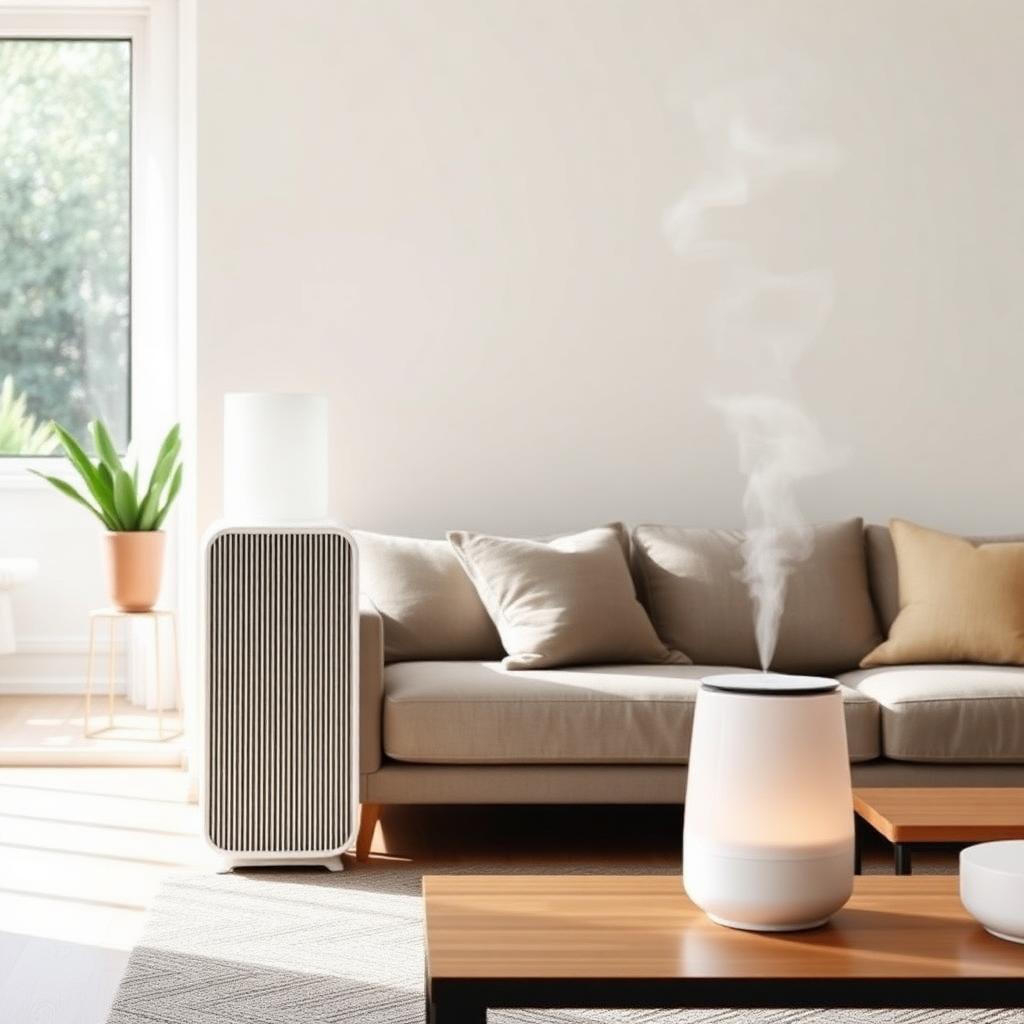
Air purifiers and humidifiers are often mentioned in the same breath, but they solve very different problems. One cleans the air you breathe, while the other changes how that air feels. Understanding the difference helps you choose the right tool for your family's comfort and health. Here's a homeowner-friendly guide to what each device does, how they compare, and which one makes the most sense for Fort Worth and DFW homes.
What Does an Air Purifier Do?
An air purifier improves the quality of your indoor air by removing contaminants. It draws air through one or more filters — often a HEPA filter — that trap tiny particles like dust, pollen, pet dander, mold spores, smoke, and even some odors. The result is cleaner air with fewer irritants floating around. Air purifiers don't change the humidity in your home; they simply make the air cleaner to breathe.
Types of Air Purifiers
Not all purifiers work the same way, and many combine several technologies for better results:
- HEPA filters — trap 99.97% of fine particles like pollen, dust, and dander
- Activated carbon filters — absorb odors, smoke, and some gases
- UV-C purifiers — use light to help neutralize germs, mold spores, and bacteria
- Media air cleaners — thick, whole-home filters installed in your ductwork
- Electronic/ionizing purifiers — charge particles so they're easier to capture
Portable units clean a single room, while whole-home media cleaners and UV systems install directly into your ductwork to treat every room your HVAC serves. The right choice depends on your home's size, layout, and the specific air-quality concerns you're trying to solve.
What Does a Humidifier Do?
A humidifier improves the comfort of your indoor air by adding moisture. It releases water vapor or a fine mist to raise the relative humidity, which is especially helpful when heating systems dry out the air in winter. Proper humidity can ease dry skin, chapped lips, sore throats, and static, and it helps protect wood floors and furniture. A humidifier does not filter or clean the air — it only affects moisture.
Types of Humidifiers
Humidifiers range from small tabletop models to systems built into your HVAC:
- Evaporative humidifiers — a fan blows air through a moistened wick
- Ultrasonic humidifiers — high-frequency vibration releases a fine, quiet mist
- Steam (warm-mist) humidifiers — boil water to produce clean, warm vapor
- Whole-home humidifiers — installed on your HVAC system to humidify every room
Whole-home humidifiers are the most convenient option because they maintain consistent moisture throughout the house and require far less day-to-day upkeep than refilling a portable tank. That said, in North Texas most homes need humidity controlled rather than added, so a humidifier is more the exception than the rule here.
The Key Differences
Here's a side-by-side look at how air purifiers and humidifiers compare:
What It Treats
Air Purifier: Airborne particles and pollutants — dust, pollen, pet dander, smoke, and odors.
Humidifier: Moisture level — adds humidity to dry indoor air.
How It Works
Air Purifier: Pulls air through filters (often HEPA) that trap contaminants, then returns cleaner air.
Humidifier: Releases water vapor or mist into the air to raise the relative humidity.
Best For
Air Purifier: Allergies, asthma, smoke, odors, and general air cleanliness.
Humidifier: Dry air, chapped skin, static, sore throats, and cracking wood.
What It Does NOT Do
Air Purifier: Does not add moisture — won't fix dry air.
Humidifier: Does not remove particles — won't clean the air.
Difference Between Air Purifier and Humidifier: Side-by-Side Comparison
People often ask, what is the difference between a humidifier and an air purifier? The simplest way to answer is to look at how each one performs against the specific problems homeowners actually care about. The table below breaks down the difference between air purifier and humidifier across the concerns that matter most — from allergies and asthma to cost and upkeep.
| Concern | Air Purifier | Humidifier |
|---|---|---|
| Allergies | Excellent — removes pollen, dust, and dander that trigger symptoms. | Limited — balanced humidity can ease irritation but won't remove allergens. |
| Asthma | Very helpful — pulls irritants and fine particles out of the air. | Situational — moist air can soothe airways, but too much moisture makes asthma worse. |
| Mold | Captures airborne mold spores (especially with HEPA or UV-C). | Can encourage mold growth if humidity is pushed too high. |
| Dust | Traps fine dust and keeps it from resettling. | No effect — does not filter dust from the air. |
| Pet dander | HEPA filtration captures dander effectively. | No effect — does not remove dander. |
| Dry skin | No effect — does not add moisture. | Excellent — restores moisture to relieve dry skin and chapped lips. |
| Energy use | Low to moderate, depending on fan speed and unit size. | Low, though warm-mist models use more to heat water. |
| Maintenance | Periodic filter changes or cleaning of washable filters. | Regular cleaning and refills to prevent mold and bacteria buildup. |
| Typical cost | $100–$800 portable; $600–$2,000+ for whole-home installed. | $30–$150 portable; $300–$800 for whole-home installed. |
As the comparison shows, an air purifier and a humidifier aren't competitors so much as tools for different jobs. If your goal is cleaner air, filtration wins; if your goal is comfortable moisture, humidity control wins. Many DFW homes actually need help with both at different times of the year.
Which One Is Best for Allergies?
If allergies or asthma are your main concern, an air purifier is usually the better choice. By capturing the airborne particles that trigger symptoms, a quality purifier can make a real difference during allergy season.
- Traps pollen, dust, and pet dander that trigger symptoms
- HEPA filters capture very fine airborne particles
- Helps reduce smoke and lingering odors
- Cleaner air can mean easier breathing for allergy and asthma sufferers
A humidifier can add comfort, but too much moisture can actually encourage dust mites and mold — two common allergy triggers — so balance matters.
Which One Helps With Dry Air?
When dry air is the problem, a humidifier is the answer. It restores moisture so your home feels more comfortable, especially during cooler months when the heat is running.
- Adds moisture to combat dry, heated indoor air
- Eases dry skin, chapped lips, and irritated sinuses
- Reduces static electricity in your home
- Helps protect wood floors, furniture, and instruments from cracking
Diffuser vs. Air Purifier: Are They the Same Thing?
One of the most common mix-ups we hear is diffuser vs air purifier — and it's an important distinction. An essential oil diffuser is not an air purifier. A diffuser disperses a small amount of water and fragrance (essential oils) into a room to add scent and a touch of humidity. It does not filter dust, pollen, dander, or mold spores, and it does nothing to improve the actual cleanliness of your air.
In the diffuser vs air purifier comparison, the difference comes down to purpose: a diffuser is about aroma and ambiance, while an air purifier is about removing airborne contaminants you can't see. A diffuser is closer to a mini-humidifier than to a purifier, and if you have allergies, asthma, or pets, it won't take the place of true filtration. If clean air is your goal, a HEPA-based purifier — ideally a whole-home system tied into your indoor air quality setup — is what you want.
When Should You Choose BOTH an Air Purifier and a Humidifier?
Because they solve different problems, there are plenty of situations where running both makes sense. Consider pairing an air purifier with a humidifier when:
- You have allergy or asthma sufferers who also struggle with dry winter air
- Your home feels dusty and stuffy but also dries out skin and sinuses when the heat runs
- You have pets (dander control) plus hardwood floors or instruments you want to protect
- Winter heating leaves the air uncomfortably dry while dust and germs still circulate
- You want year-round comfort — clean air in every season and balanced moisture in winter
When you run both, keep them a few feet apart so the added moisture doesn't clog the purifier's filter, and aim to hold humidity around 40–50%. The cleanest, lowest-maintenance approach is to integrate both functions into your HVAC system, so filtration and humidity control happen automatically whenever the system runs. Our team can design a balanced setup through our indoor air quality and HVAC maintenance services.
What's the Ideal Indoor Humidity Level?
Comfort and health both come down to balance. Most homes feel best with relative humidity between 40% and 50%. When it drops below about 30%, the air feels dry and can irritate skin, sinuses, and eyes, while wood floors and furniture may crack. When it climbs above 55–60%, the home feels sticky and becomes a welcoming environment for mold, mildew, and dust mites. A simple, inexpensive humidity monitor (hygrometer) makes it easy to see where your home stands so you can decide whether you need to add moisture, remove it, or simply improve filtration.
Can You Have Both?
Absolutely. Air purifiers and humidifiers do different jobs, so they complement each other well. The purifier keeps the air clean while the humidifier keeps it comfortably moist. For the best results, place them a few feet apart so the added humidity doesn't clog the purifier's filter, and aim for a balanced humidity level — typically around 40–50%. Many homeowners get the best of both worlds with whole-home indoor air quality systems that integrate directly with their HVAC.
Which Is Best for Texas Homes?
Here in North Texas, humidity is often already high, so most Fort Worth and DFW homes benefit more from an air purifier than a humidifier. Cleaner air helps with the pollen, dust, and allergens that are common in our area, while excess indoor moisture is usually something we want to control, not add. The right solution depends on your specific home, which is why a professional assessment is so valuable.
Our team can evaluate your home's air and recommend the best fit — from indoor air quality systems to whole-home upgrades. We handle residential HVAC installation and service across the metroplex, and regular HVAC maintenance keeps your air quality equipment running its best year-round.
Signs Your Home's Air Quality Needs Help
Not sure whether you need better filtration, humidity control, or both? These common warning signs are worth paying attention to:
- Frequent sneezing, congestion, or allergy flare-ups indoors
- Visible dust settling quickly after cleaning
- Lingering cooking, pet, or smoke odors
- Musty smells that suggest mold or excess moisture
- Dry, itchy skin or static during heating season
- Family members with asthma or respiratory sensitivities
If several of these sound familiar, a professional air-quality assessment is the fastest way to find the right solution. Because whole-home purifiers, UV systems, and humidity controls integrate directly with your equipment, they work best when your system is properly maintained and correctly sized. If your current setup is aging or struggling to keep the air comfortable, it may be worth exploring system replacement and upgrades alongside your air-quality options.
Portable vs. Whole-Home Solutions
Portable air purifiers and humidifiers are inexpensive and easy to try, but they only treat the room they sit in and require ongoing filter changes and refills. Whole-home systems install into your ductwork and treat the air everywhere your HVAC reaches, quietly and out of sight. For families dealing with year-round allergies, pets, or respiratory concerns, a whole-home approach usually delivers more consistent results — which is why so many DFW homeowners pair an integrated air purifier with a well-maintained cooling and heating system.
Indoor Air Quality & Seasonal Humidity in the Dallas–Fort Worth Area
The Dallas–Fort Worth climate puts its own spin on the air purifier vs. humidifier question. Our summers are long, hot, and humid, while our winters are short but dry — so the right tool genuinely changes with the seasons. Understanding that rhythm helps DFW homeowners spend money where it actually improves comfort and health.
Spring: This is peak allergy season in North Texas. Cedar, oak, and grass pollen counts spike, and that pollen finds its way indoors every time a door opens or the AC cycles. An air purifier — especially a whole-home unit — does the heavy lifting here, capturing allergens before they settle into your living space.
Summer: DFW humidity climbs, and indoor moisture often runs too highrather than too low. This is when a humidifier is usually the wrong choice; instead, a properly sized, well-maintained AC and good filtration keep the air clean and comfortable. If your home feels sticky even with the AC running, it's a sign to have your system evaluated.
Fall & Winter: Once the furnace kicks on, indoor air can turn dry quickly, leading to chapped skin, static, and irritated sinuses. This is the one stretch where a humidifier earns its keep in North Texas — ideally a whole-home model that keeps moisture balanced without overshooting. Meanwhile, dust and germs still circulate, so keeping the purifier running year-round pays off.
Because our seasons swing between humid and dry, the best long-term solution for most DFW homes is an integrated setup: reliable filtration all year, humidity added only when winter demands it, and an HVAC system tuned to handle both. We serve homeowners throughout the metroplex — see the full list on our service areas page — with residential HVAC and whole-home indoor air quality solutions built for the Texas climate.
Frequently Asked Questions
Get Expert Indoor Air Quality Help from Innovative Air LLC
Still not sure whether your home needs an air purifier, a humidifier, or both? You don't have to guess. Innovative Air LLC has helped Dallas–Fort Worth homeowners breathe easier since 2000, and we can evaluate your home's air, humidity, and HVAC system to recommend the exact setup that fits your family, your home, and your budget.
Schedule an indoor air quality assessment or a full HVAC evaluation today. Call (817) 966-2665 or request service online — we'll help you build cleaner, healthier, more comfortable air all year long.
Need HVAC Service?
Innovative Air provides fast, dependable HVAC service for homeowners and businesses throughout Fort Worth and the surrounding DFW area.
Call (817) 966-2665
Related Articles
LG VRF vs. Traditional Central Air: Which Is Better for North Texas Homes?
A side-by-side comparison of LG VRF systems and traditional central air conditioning for DFW homes — zoning, energy efficiency, comfort, cost, installation, lifespan, and how to decide which system fits your house.
Read More
What Is a VRF System? Everything Fort Worth Property Owners Need to Know
A complete Fort Worth guide to Variable Refrigerant Flow (VRF) systems — how they work, benefits, commercial and residential uses, VRF vs. traditional HVAC, VRF vs. mini-splits, maintenance, and when to call a VRF specialist.
Read More
How to Clean an AC Drain Line
A clogged AC drain line can cause leaks, water damage, and a system that shuts down. Learn what the drain line does, the warning signs of a clog, safe steps homeowners can check, and when to call an HVAC pro.
Read More