
How Long Does an AC Capacitor Last?
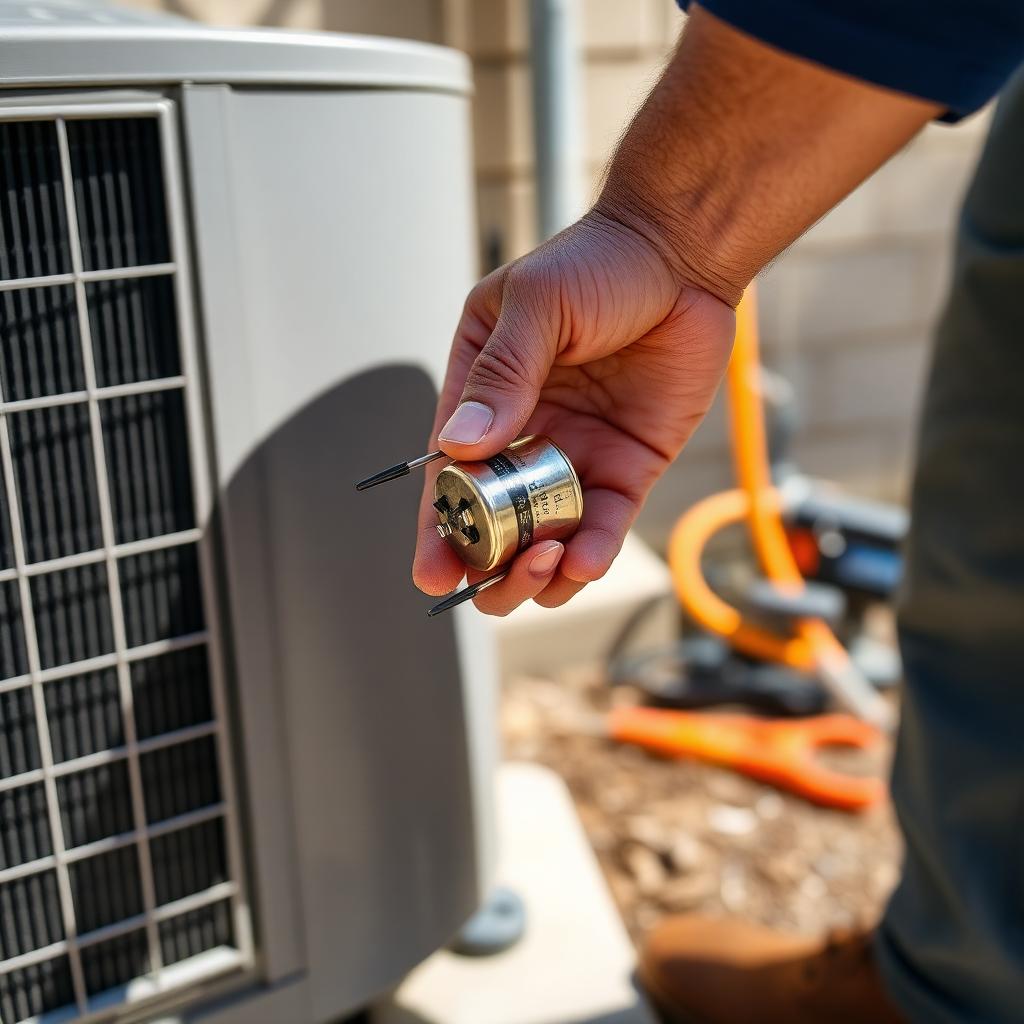
The AC capacitor is a small part that plays a huge role in keeping your home cool. When it fails, your air conditioner can stop working entirely — often on the hottest day of the year. Here's a homeowner-friendly guide to what a capacitor does, how long it lasts, the warning signs of failure, and when it's time to call a professional HVAC technician.
What Does an AC Capacitor Do?
A capacitor is a small cylindrical component that stores and releases electrical energy. In your air conditioner, it delivers the powerful jolt of electricity needed to start the compressor and fan motors, then helps keep them running smoothly. Without a healthy capacitor, those motors simply can't get going — which is why a failed capacitor is one of the most common reasons an AC stops cooling.
Run Capacitor vs. Start Capacitor
Not all capacitors are the same. Most air conditioners rely on two roles, sometimes combined into a single part:
- Start capacitor: delivers a big, short burst of energy to get a motor spinning from a dead stop, then drops out of the circuit once the motor is up to speed.
- Run capacitor: provides a steady, lower-level charge that keeps the motor running efficiently the entire time it operates.
Many residential systems use a dual run capacitor, a single component that supports both the compressor and the outdoor fan motor. Knowing which type your system uses matters, because installing the wrong rating is a common DIY mistake that leads to early failure — another reason capacitor work is best left to a professional.
How Long Does an AC Capacitor Typically Last?
Most AC capacitors are designed to last between 10 and 20 years. In reality, many last far less — especially here in North Texas. The intense Fort Worth and DFW summer heat puts constant stress on capacitors, and it's common to see them fail within 5 to 10 years. Power surges, heavy use, and an aging system can all shorten that timeline even further.
Signs of a Bad AC Capacitor
Capacitors often give you warning signs before they fail completely. Watch for these common symptoms:
AC Won't Turn On
A dead capacitor often means the system won't start at all. If the thermostat is calling for cooling but nothing happens, a failed capacitor is a common culprit.
Humming Noise from the Outdoor Unit
A humming or buzzing sound while the fan or compressor struggles to start is a classic sign the capacitor can no longer deliver the jolt those motors need.
Fan Won't Spin on Its Own
If the outdoor fan only spins after you nudge it by hand, the capacitor is likely too weak to start the motor. This is a warning sign, not a fix — call a pro.
AC Turns Off on Its Own
A weak or failing capacitor can cause the system to short-cycle, shutting down before your home reaches the set temperature.
Weak or Warm Airflow
When the compressor or fan can't run properly, cooling suffers. You may notice warm air or weaker airflow from your vents.
Higher Energy Bills
A struggling capacitor forces motors to work harder and draw more power, which can show up as an unexplained jump in your electric bill.
Burning Smell or Swollen Top
A bulging, leaking, or burnt-smelling capacitor has failed and needs immediate replacement. Shut the system off and call a technician.
Why Do AC Capacitors Fail?
Capacitors don't last forever, and several factors can cause them to wear out ahead of schedule:
Age and Normal Wear
Capacitors degrade over time. Even under ideal conditions, they gradually lose their ability to hold a charge until they eventually fail.
Texas Heat
Extreme summer temperatures are hard on capacitors. In the DFW climate, prolonged heat is one of the most common reasons capacitors fail early.
Power Surges
Lightning strikes and grid fluctuations can send voltage spikes through your system that damage or destroy a capacitor instantly.
Overuse and Short-Cycling
A system that runs constantly or cycles on and off too frequently puts extra strain on the capacitor and shortens its life.
Wrong Size or Poor Installation
A capacitor that isn't rated correctly for the system, or was installed incorrectly, will wear out faster than a properly matched part.
Should You Replace an AC Capacitor Yourself?
It's tempting to treat a capacitor as a quick DIY fix, but we strongly recommend against it. Capacitors store a high-voltage electrical charge even after the power is turned off, and mishandling one can cause serious injury. Installing the wrong size or type can also damage your system and lead to bigger, more expensive repairs.
Important: A capacitor holds a dangerous electrical charge long after the unit is switched off. Diagnosing and replacing one is a job for a licensed HVAC technician with the right tools and training.
Capacitor vs. Compressor: How to Tell the Difference
Because a bad capacitor and a failing compressor can both leave you without cooling, homeowners often worry the worst. The good news is that a capacitor problem is far more common and far less expensive. A weak capacitor usually shows up as a humming outdoor unit, a fan that needs a nudge to start, or short-cycling. A failing compressor, on the other hand, tends to cause hard starts, repeatedly tripped breakers, or no cooling even after a new capacitor is installed.
A technician can test the capacitor in just a few minutes with a meter, so you'll know quickly which part is actually at fault. That's important, because it prevents you from paying for a major repair when a small, affordable part is the real culprit. If a bigger problem is found, our AC repair team will explain your options clearly.
What to Expect During a Capacitor Replacement
Replacing a capacitor is one of the fastest HVAC repairs. A technician safely discharges the old capacitor, confirms the correct microfarad and voltage rating, installs a properly matched replacement, and tests the system to make sure the compressor and fan start and run as they should. In most cases you're back to cool air the same visit — often within an hour. It's a common repair we handle through our emergency HVAC service when a unit quits during a Texas heat wave.
How to Help Your AC Capacitor Last Longer
You can't make a capacitor last forever, but you can avoid the early failures that leave you without cooling on the hottest day of the year. A few simple habits go a long way:
- Schedule a professional tune-up every spring before peak heat
- Change your air filter regularly to reduce strain on the motors
- Keep the outdoor unit clean and shaded from direct afternoon sun
- Install surge protection to guard against voltage spikes
- Set a reasonable thermostat schedule to avoid constant short-cycling
- Address unusual noises or weak cooling early, before they worsen
Consistent care through our AC tune-ups and HVAC maintenance plans is the best way to catch a weakening capacitor before it fails. If your system is older and needs frequent repairs, it may be time to consider system replacement and upgrades for better reliability and efficiency.
When Should You Call an HVAC Professional?
If you notice any of the following, it's time to bring in an experienced technician. Call Innovative Air if:
- The outdoor fan won't spin or only spins when nudged
- You hear humming or buzzing from the unit
- The AC won't turn on or keeps shutting off
- You see a swollen, leaking, or burnt capacitor
- Your energy bills have climbed with no clear reason
- You're not comfortable working around high-voltage components
Our team handles AC repair throughout Fort Worth and DFW, including fast capacitor diagnosis and replacement. Staying on top of regular AC tune-ups and HVAC maintenance helps catch a weak capacitor before it leaves you without cooling. And when your AC quits during a heat wave, our emergency HVAC service is here to get you comfortable again.
Why Choose Innovative Air?
Fort Worth homeowners and businesses have trusted us for fast, honest HVAC repair since 2000.
- Serving Fort Worth & DFW since 2000
- Honest, upfront pricing
- Experienced HVAC technicians
- Repairs for all major HVAC brands
- Residential and commercial service
- Same-day service when available
We serve homeowners and businesses across the metroplex — check the communities we cover on our service areas page.
Frequently Asked Questions
Need HVAC Service?
Innovative Air provides fast, dependable HVAC service for homeowners and businesses throughout Fort Worth and the surrounding DFW area.
Call (817) 966-2665
Related Articles
LG VRF vs. Traditional Central Air: Which Is Better for North Texas Homes?
A side-by-side comparison of LG VRF systems and traditional central air conditioning for DFW homes — zoning, energy efficiency, comfort, cost, installation, lifespan, and how to decide which system fits your house.
Read More
What Is a VRF System? Everything Fort Worth Property Owners Need to Know
A complete Fort Worth guide to Variable Refrigerant Flow (VRF) systems — how they work, benefits, commercial and residential uses, VRF vs. traditional HVAC, VRF vs. mini-splits, maintenance, and when to call a VRF specialist.
Read More
Air Purifier vs. Humidifier: What's the Difference?
Air purifiers and humidifiers both improve your home's air, but they do very different jobs. Learn how each one works, which helps with allergies, which fixes dry air, and which is best for Texas homes.
Read More